


“Whoever wants to become great among you must be your servant.”
Matthew 20:26
Over the years, I have noticed a growing trend in the organisations where I have worked. More organisations are embracing the concept of servant leadership. Leadership seminars, training programmes, and corporate strategies increasingly encourage leaders to support their teams, remove barriers, develop people, and create environments where individuals can thrive. I have witnessed first-hand how leaders who listen, show empathy, and genuinely care for their people create stronger, more engaged, and more successful teams.
The success of Cheryl Bachelder demonstrated that servant leadership is an approach that drives outstanding business outcomes. As a result, businesses now present servant leadership as a contemporary management philosophy. Yet what many do not realise is that these principles were demonstrated more than two thousand years ago by the greatest servant leader of all, Jesus Christ.
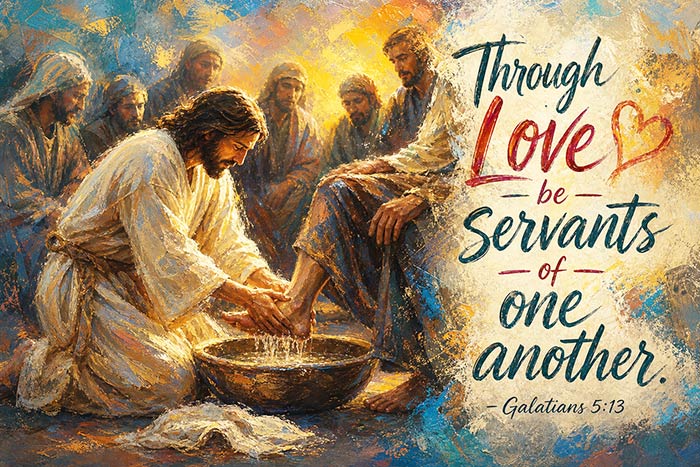
Jesus demonstrated servant leadership not through theories or management frameworks, but through His life and actions. He consistently placed the needs of others before His own. He healed the sick, comforted the broken-hearted, welcomed the outcast, and taught His disciples that true greatness is found in serving others. Perhaps the most powerful example of this was when He washed the feet of His disciples, a task usually reserved for servants. Through this act, Jesus showed that leadership is not about status, authority, or recognition, but about humility, sacrifice, and love.
In today’s workplaces, servant leadership is often embraced because it improves engagement, strengthens culture, and drives performance. While these outcomes are important, Christian servanthood goes even deeper. It is rooted in a genuine desire to reflect Christ’s character in every interaction. It means treating colleagues with dignity, showing patience in difficult situations, encouraging others, and acting with integrity even when no one is watching.
Christian servanthood is not limited to those in formal leadership positions; it is a calling for every believer. As followers of Christ, we are challenged to see our work not merely as a job, but as an opportunity to serve God by serving others. In my own leadership journey, I have found this both inspiring and challenging. The demands of daily work can easily shift our focus towards targets, deadlines, and results. While these are important, Christ’s example continually reminds me that people must remain at the centre of our leadership.
The growing interest in servant leadership within modern organisations is encouraging. Businesses are discovering that leaders achieve more when they choose to serve rather than simply direct. Through my own experiences, I have seen this principle at work time and again. Yet as Christians, we know that this principle is far from new. Jesus Christ remains the perfect servant leader, demonstrating that true greatness is found not in power or position, but in humility, sacrifice, and service to others.
“For even the Son of Man did not come to be served, but to serve, and to give His life as a ransom for many.”
Mark 10:45
This article by Rohan D’Souza was first published in the October 2026 Chronicle Newsletter of the Lamb of God Community in New Zealand.
Top image credit: Illustration of Jesus washing the feet of his disciples and Bible verse from Galatians 5:13. Image created with digital paintbrush and AI enhanced artwork from © Artstyles.com. Used with permission.